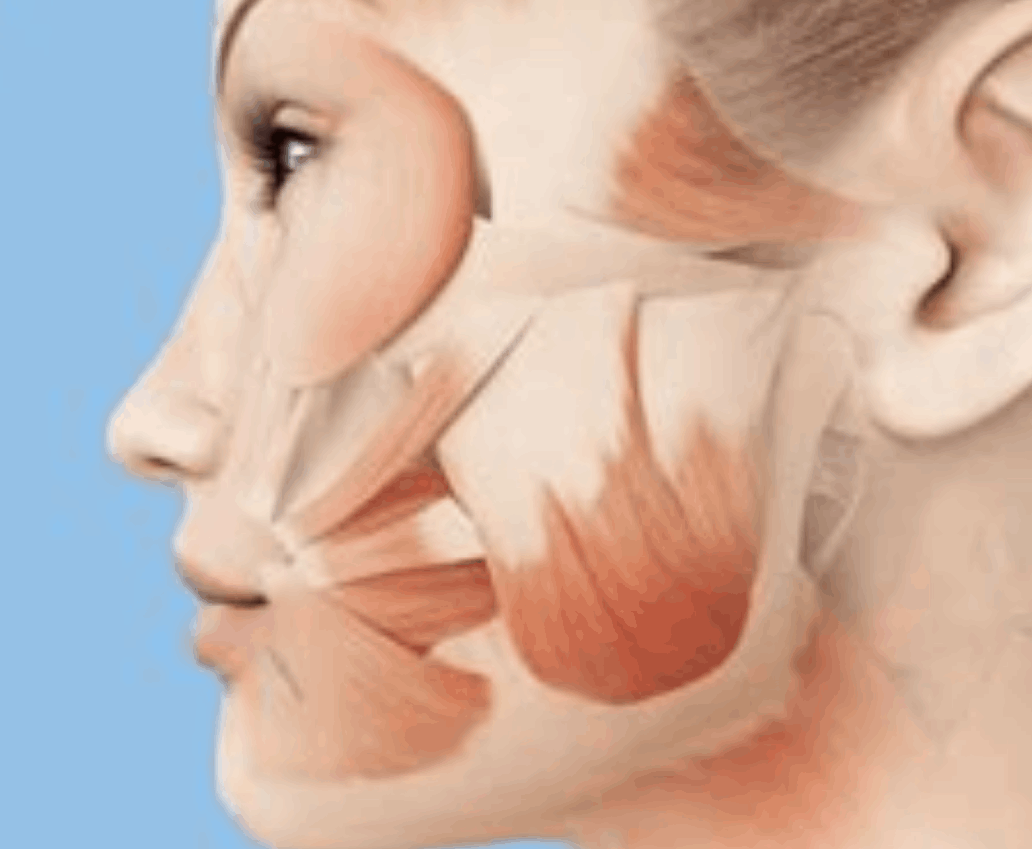
TMJ disorder affects the temporomandibular joint and surrounding musculature. Symptoms may include:
Jaw pain or tenderness
Clicking, popping, or grinding sounds
Limited jaw movement or locking
Facial pain or headaches
Ear discomfort without infection
Bruxism (Teeth Grinding & Clenching)
Bruxism involves involuntary clenching or grinding of the teeth, often during sleep (nocturnal bruxism). It is frequently linked to stress, anxiety, and subconscious habit loops.
Common signs include:
Worn or fractured teeth
Jaw muscle fatigue
Morning headaches
Disturbed sleep
Increased facial muscle tension
In many cases, bruxism and TMJ dysfunction are perpetuated by chronic activation of the stress response.
Traditional Treatment Approaches
Conventional management typically includes:
Occlusal splints or night guards
Physiotherapy and remedial massage
Anti-inflammatory or pain medication
Dental intervention
While these approaches can reduce symptoms, the underlying stress–muscle tension cycle often remains unaddressed.
Strategic Hypnotherapy targets the subconscious patterns that maintain jaw clenching and muscle tension.
Rather than focusing solely on symptom control, this approach works to:
Interrupt the automatic stress–grind response
Reduce baseline muscular hyperactivity
Recondition jaw posture and muscle memory
Develop healthier stress-regulation patterns
By addressing the psychophysiological drivers of bruxism, clients often experience both symptom relief and improved stress resilience.
Strategic Hypnotherapy is a future-focused, goal-oriented brief intervention integrating:
Clinical Hypnotherapy
Cognitive Behavioural Therapy (CBT)
Strategic Psychotherapy
Guided Visualisation Therapy
This client-centred approach:
Targets subconscious habit loops
Reframes triggers and stress responses
Promotes adaptive emotional and behavioural strategies
Avoids unnecessary regression into the past
Is designed for efficient resolution within approximately 6–8 sessions
Typical course: 6–8 weekly sessions.
1. Strategic Psychotherapy
Identifies and reframes the cognitive and emotional triggers driving jaw tension.
2. Hypnotherapy
Induces deep physiological relaxation and facilitates subconscious retraining of jaw posture and stress responses.
3. CBT-Based Tools
Provides practical, conscious strategies to maintain long-term behavioural change.
Typical course: 6–8 weekly sessions.
Clients seeking treatment for bruxism or TMJ dysfunction in Melbourne commonly report:
Reduced jaw tension and facial pain
Decreased grinding and clenching frequency
Improved sleep quality
Fewer stress-triggered flare-ups
Increased sense of control over physical tension
• Research suggests hypnosis and relaxation-based interventions can reduce pain and muscle tension associated with temporomandibular disorders:
Zhang et al. (2015) – Meta-analysis found hypnosis and relaxation significantly reduced pain and muscle tension in TMD patients compared with minimal treatment.
de Castellanos et al. (1979) – Randomised controlled trial demonstrated marked pain reduction in TMJ pain-dysfunction syndrome following hypnosis therapy.
Clarke & Reynolds (1991) – Pilot RCT reported 70% of nocturnal bruxism sufferers achieved complete symptom resolution at three months.
Brender-Leónan et al. (2023) – Feasibility RCT showed combining an occlusal appliance with hypnosis reduced bruxism episodes by approximately 40% after four weeks.
(Full references can be provided upon request.)
• Unlike symptom-only management, Strategic Hypnotherapy:
• Addresses stress at its source
• Retrains subconscious muscle activation patterns
• Supports compliance with dental and physiotherapy interventions
• Enhances long-term stress regulation
• It can be used as a standalone intervention or in conjunction with dental appliances and allied health treatment.
• Book Bruxism & TMJ Treatment in Melbourne
Consultation Fee: $200 per session
Recommended Course: 6–8 sessions
Complimentary 15-minute phone consultation available
Bruxism-Related Services in Melbourne
Bruxism rarely occurs in isolation. Teeth grinding and jaw clenching are often associated with TMJ dysfunction, tension headaches, facial pain, sleep disturbance, and chronic stress patterns. Melbourne Strategic Hypnotherapy provides targeted treatment addressing both bruxism and its related conditions.
Services may support:
Stress-related teeth grinding (nocturnal bruxism)
Daytime jaw clenching and muscle tension
TMJ pain and restricted jaw movement
Jaw-related tension headaches
Sleep disruption linked to nervous system hyperarousal
Anxiety-driven muscle tension patterns
Cognitive Behavioural Hypnotherapy is structured to address the underlying stress response and conditioned muscle activation sustaining these symptoms. Treatment may be delivered as a standalone intervention or alongside dental appliances, physiotherapy, or GP care.
If you are searching for comprehensive bruxism treatment in Melbourne that addresses both symptoms and contributing stress factors, Strategic Hypnotherapy offers a focused, clinically informed approach.
👉 You may also wish to explore
Depression | Anxiety | Insomnia